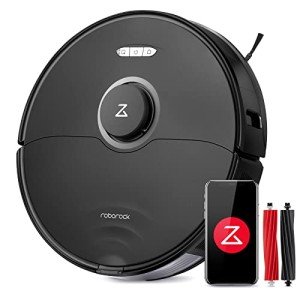
Understanding Floor Robots: The Future of Home Cleaning
Over the last few years, technological improvements have actually considerably changed the landscape of family cleaning. Amongst the most noteworthy innovations is the floor robot, a device that has quickly gotten popularity for its benefit and performance. This short article intends to explore the various elements of floor robots, their performance, advantages, popular designs, and some often asked questions to assist customers make informed choices.
What is a Floor Robot?
A floor robot, commonly referred to as a robotic vacuum, is an automated gadget developed to navigate floors and eliminate dirt, dust, and particles. Unlike standard vacuum, floor robots run autonomously, using a hassle-free cleaning experience. These smart makers use sensing units, mapping technologies, and advanced algorithms to tidy various surfaces, consisting of wood, tile, and carpet.
How Do Floor Robots Work?
Floor robots run through a combination of hardware and software elements. Here are the essential features that allow their functionality:
1. Sensing units
- Obstacle Detection: Floor robots have built-in sensing units that help them spot obstacles, allowing them to navigate around furnishings and prevent falls.
- Cliff Sensors: These avoid the robot from dropping stairs or ledges by recognizing changes in elevation.
2. Navigation and Mapping
- Visual Mapping: Some sophisticated models employ video cameras and laser innovation to produce in-depth maps of the cleaning area.
- Simultaneous Localization and Mapping (SLAM): This strategy helps the robot track its area and effectively plan its cleaning route.
3. Cleaning Mechanisms
- Suction Power: Most robotic vacuums use a suction system to record dirt and dust, which is then stored in an onboard dustbin.
- Brushing Systems: Many models come geared up with rotating brushes or mops for boosted cleaning capabilities, especially on carpets or difficult surfaces.
4. Smart Features
- Connection: Many floor robots support Wi-Fi connectivity, permitting users to manage them through smartphone apps or smart home systems.
- Scheduling: Users can arrange cleaning times, ensuring their homes are tidy even when they're not there.
5. Self-governing Charging
- Self-Docking: Most robots immediately return to their charging station once their battery runs low, guaranteeing they're constantly ready to clean.
Advantages of Using a Floor Robot
The adoption of floor robots comes with numerous benefits that make them interesting users:
1. Convenience
Floor robots can clean up while users take care of other jobs, permitting multitasking and time-saving.
2. Increased Efficiency
Robotic vacuums frequently cover more ground in less time compared to standard techniques, thanks to their systematic cleaning patterns.
3. Constant Cleaning Routine
Users can set up regular cleansings, making sure that their homes remain clean without requiring daily intervention.
4. Accessibility
Robotic vacuums can easily access hard-to-reach areas, such as under furniture or in tight spaces.
5. Advanced Features
Numerous models come equipped with features like voice control and app integration, improving functionality and availability.
Popular Floor Robots
When thinking about a floor robot, various brand names and designs accommodate various needs and budgets. Here's a brief summary of some leading alternatives:
| Brand | Model | Secret Features | Price Range |
|---|---|---|---|
| iRobot | Roomba i7+ | Smart mapping, self-emptying dock | ₤ 600 - ₤ 800 |
| Roborock | Roborock S7 | Sonic mopping, challenge avoidance | ₤ 500 - ₤ 700 |
| Neato | Neato D7 | D-shape style, advanced suction | ₤ 600 - ₤ 800 |
| Ecovacs | Ecovacs Deebot T8 | Mopping function, advanced mapping | ₤ 600 - ₤ 800 |
| Shark | Shark IQ Robot | Self-emptying base, home mapping | ₤ 400 - ₤ 600 |
(Note: Prices might differ based on merchants and ongoing promotions.)
Regularly Asked Questions (FAQs)
1. Are floor robots effective on carpets?
Yes, a lot of contemporary floor robots are developed to tidy various surfaces, including carpets. get more info with strong suction and rotating brushes are especially effective at getting animal hair and ground-in dirt.
2. How typically should I run my floor robot?
This depends on your household's requirements. For homes with family pets or high foot traffic, day-to-day or every other day cleaning may be useful. For quieter families, running the robot as soon as a week may be sufficient.
3. Can I manage my floor robot from another location?
Many floor robots include mobile phone apps that allow users to control their devices from another location, schedule cleansings, and display performance.
4. Do I need to empty the dustbin frequently?
Many robots require regular emptying of the dustbin, especially in homes with pets or heavy soil. Nevertheless, some designs offer self-emptying abilities, which lessen user participation.
5. Are floor robots suitable for all kinds of flooring?
Most floor robots are efficient on different surface areas, consisting of hardwood, tile, and low-pile carpets. However, some might perform better on particular surfaces, so it's necessary to pick a design fit to your home's needs.
As households continue to welcome technology, floor robots have actually become necessary cleaning companions, offering benefit, efficiency, and advanced features. Understanding their performances, benefits, and readily available models permits customers to select the best floor robot to fulfill their particular cleaning needs. By investing in this innovative innovation, house owners can guarantee their living areas stay clean and comfortable with very little effort.